

• Home
  • The Convent
    • The Convent
    • History
    • Indoors
    • Outdoors
  • RESTAURANT
  • Rooms
    • Rooms
    • Classic Rooms
    • Suites
    • Friars’ Cells
    • Foresteria rooms
  • Events
    • Events
    • Weddings
  • Offers
  • Blog
    • Blog
    • Surrounding & Activities
  • Contacts
  • Book now
  • Italiano
  • English
  • Deutsch
  • Home
  • The Convent
    • The Convent
    • History
    • Indoors
    • Outdoors
  • Restaurant
  • Rooms
    • Rooms
    • Suites
    • Friars’ Cells
    • Classic Rooms
    • Foresteria rooms
  • Events
    • Events
    • Team Building
    • Weddings
  • Gallery
  • Blog
    • Blog
    • Surrounding & Activities
  • Offers
  • Contacts
  • Book now
  • Italiano
  • English
  • Deutsch

The Convent's history

since 1278
This is the story of the Convent of San Bartolomeo , an ancient residence that was then finely restored and brought back to its maximum splendor by the Ricci Barbini family and which today represents an excellence in the territory of Monte Amiata.

800 years ago: the beginning of our history

1276 The Middle Age

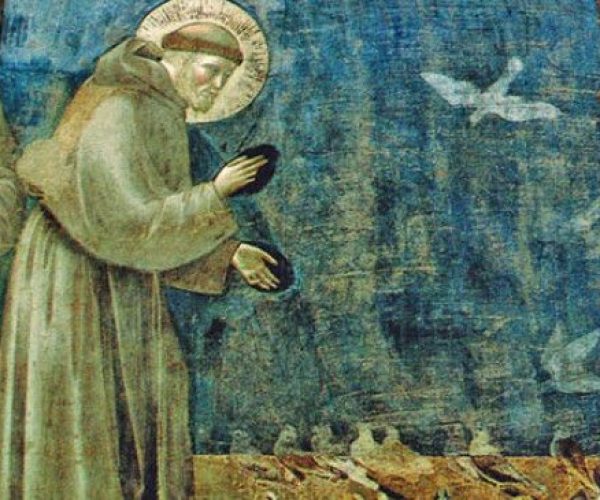
giotto-san-francesco

It is said that St. Francis of Assisi himself did designate and choose the place where the first Franciscan Convent, the Convento Castrum Plani Castagnarii, was then built. The very first location where the Convent was built, named the “Old Place”, turned to be extremely inconvenient, not only for the inhabitants of Piancastagnaio, but also for the friars themselves, who, due to the distance from the village, risked to die of starvation in the winter. It was therefore decided to move the Convent in a place closer to the Castle: it was then that the Convento San Bartolomeo and its adjacent Church were built in Piancastagnaio. The old place where the Convent was originally located was granted by Count Ildebrandino degli Aldebrandeschi, son of Count Guglielmo of Sovana and Pitigliano. On September 5, 1276, Mgr. David Dandini, Bishop of Sovana, wrote a pastoral letter to the community of Piancastagnaio, urging them to contribute to the construction of the Church of the new Convent, only a few hundred meters away from the majestic Rocca Aldobrandesca. It was Monsignor Dandini himself who laid the foundation stone and, on that very same occasion, the “Castagnone” was also planted. Even today everyone can admire the big chestnut tree at the entrance of the Convent. The new Church was consecrated in 1278. In the beginning only about 10 friars lived at the Convent, whose structure was by them managed to be preserved thanks to the donations given by the pilgrims and the help given by the local farmers.

linadopppia

1504 Renaissance

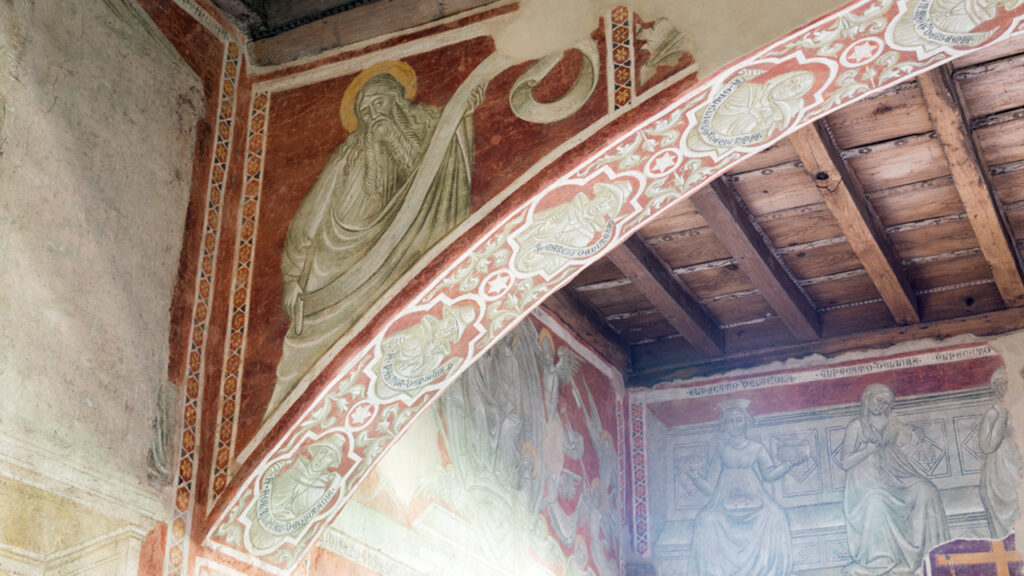
During the Renaissance period, the Convent was enlarged, the Cloister with its elegant Corinthian columns was built, and the Chapter room was frescoed with an evocative series of monochrome paintings dedicated to the story of the Virgin Mary. In 1504 the Bishop entrusted the Convent to the order of the Minor Conventuals of Terra di Piano, provided that the friars would pay him an “annuatium” of one pound of wax every year. The friars’ life at the Convent was peaceful until some trouble makers began to disturb such peace. The people of Terra di Piano protested so much against such incursions that Pope Alexander VI did authorize the Bishop of Sovana to inflict severe punishments upon those who would damage the Convent goods. Many other popes, including Julius II, Clement VIII, Paul III, Pius V, Sixtus V, intervened over the centuries in defense of the Franciscan friars of Piancastagnaio inflicting canon sanctions and even convicting with excommunication those that were found guilty. Other popes, such as Gregory XIII, Innocent XI, Alexander VIII, granted Plenary Indulgence to the faithful members of the confraternity of St. Elizabeth conception, which had its seat in the cloister inside the Convent, and to all those paying a visit to the Church

storia2-2
linadopppia

1808 Napoleon

Napoleon Bonaparte til Hest -  fra bogen Jacques-Louis David -  Empire to Exile, Philippe Bordes

Napolen blev f¯dt p Korsika 15. august 1769 Efter at have vÊret f¯rste konsul blev Napoleon Bonaparte i 1804 fransk kejser. I 1796 blev han gift med JosefinÈ Beauharnais.
Ca. 1809-1810 giftede han sig igen denne gang med Êrkehertuginde Marie-Louise af Habsburg, der i 1811 f¯dte ham en s¯n, der d¯de i en ung alder.Napoleon Bonaparte tabte et afg¯rende slag ved Leipzig 1813 og blev 1814 i Fontainebleau tvunget til at abdicere. Han blev forvist til Elba. I marts 1815 vendte han tilbage og fors¯gte at reetablere kejserd¯mmet (de 100 dage). Efter slaget ved Waterloo den 18. juni 1815 overgav han sig til den britiske regering der forviste ham til ¯en Sankt Helena. Her levede han til sin d¯d den 15. maj 1821.

The millennial history of the Convent was early and abruptly arrested. Once Napoleon Bonaparte ordered the confiscation of the Church properties in 1808, the Convent was closed and the friars dispersed. All the assets belonging to the friars were acquired to the state property, put up for auction and for the most part purchased by the ancient "livellari" and tenants, as well as by the members of the then landowning class. The Convent was first suppressed following the Napoleonic edict and then confiscated by the Grand Duke Leopold of Tuscany. It was then purchased by the Sienese noble Malvolti and later on leased to the Barbini family in 1808.

linadopppia

1816 A family story

salone-suggestivo-storico

In 1816 Vincenzo Barbini bought the Convent and gave it to his first son, the notary Mariano Barbini. The latter had 9 daughters and 2 sons; his son Carlo inherited the Convent and, dying unmarried, in 1923 left all his properties, including the Convent, and his surname Barbini, to his nephew, Carlo Ricci. It was Prof. Vittorino Ricci Barbini, Carlo’s son, who decided to restore the entire building complex to its ancient majesty after it was damaged by an earthquake in 1896, in order to make it his family dwelling, as well as to make this wonderful historical residence available to all those who love history and beauty.

linadopppia

2020 A family passion

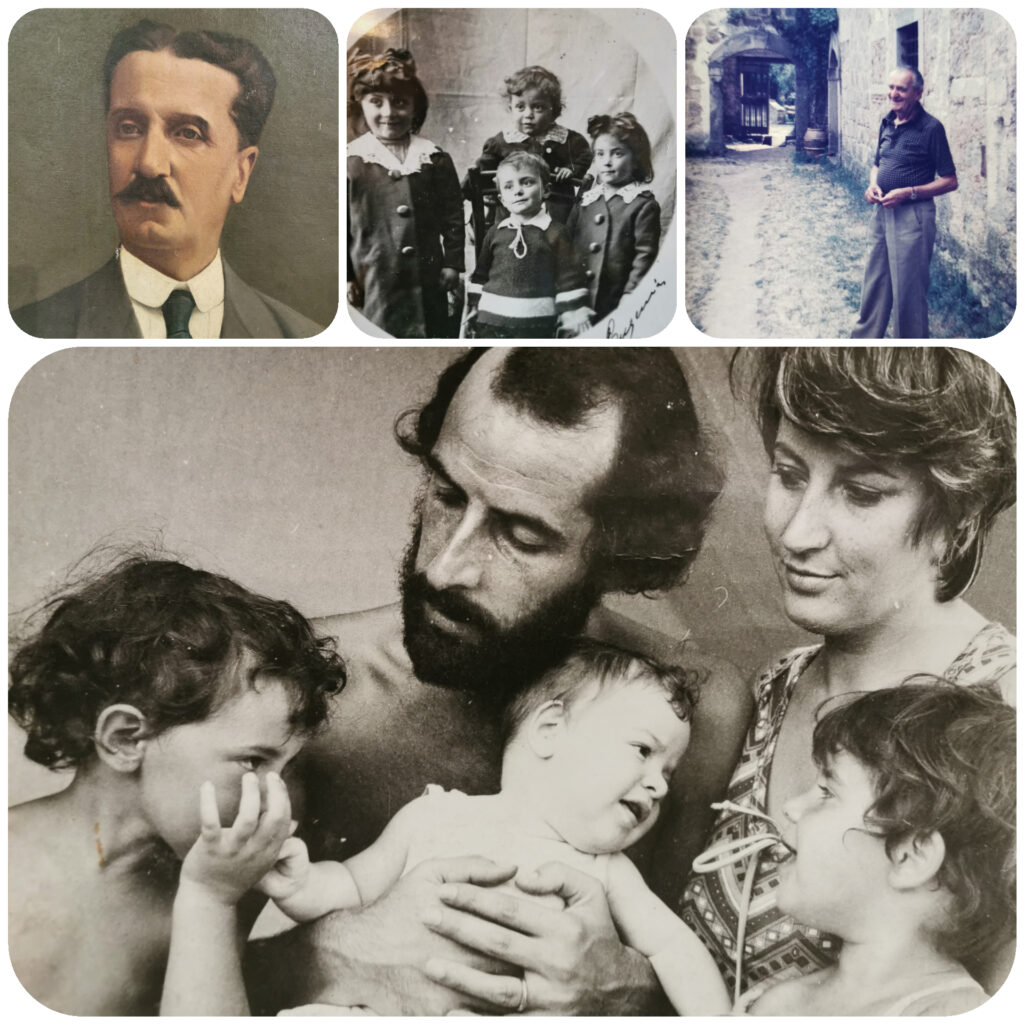
collage_famiglia

Today the Convent’s doors are open to those who love history and the unique beauty of  the Tuscan landscape, to those who cherish the warmth and magic of a little-known corner of Tuscany on the slopes of Mount Amiata, unspoiled and off the beaten track.
The Ricci Barbini siblings — Marianna, Elena and Carlo — decided to carry out their father’s dream and to share it with others. Vittorino’s wish was to make the Convent a “family place”, where history, art and tradition, blending in an oasis of well-being, create the perfect union of love for a thousand-year-old tradition and careful attention to detail.

Discover all the details of our structure.
linea3

1276 The Middle Ages

giotto san francesco

The story goes that St. Francis of Assisi himself chose the place where the first Franciscan Friary or Convent, the Convento Castrum Plani Castagnarii, was built. The very first location, nicknamed the “Old Place”, turned out to be extremely inconvenient, not only for the inhabitants of Piancastagnaio, but for the friars themselves, because, living as they did on others’ charity and being so far from the village, they risked starving to death in the winter. They therefore decided to move the Convent closer to the Castle: it was then that the Convento San Bartolomeo and its adjacent church were built in Piancastagnaio. The land where the Convent was originally located had been granted by Count Ildebrandino degli Aldebrandeschi, son of Count Guglielmo of Sovana and Pitigliano. On 5 September, 1276, Monsignor David Dandini, Bishop of Sovana, wrote a pastoral letter to the community of Piancastagnaio, urging them to contribute to the construction of the of the new Convent’s church, only a few hundred metres away from the majestic Rocca Aldobrandesca. It was Monsignor Dandini himself who laid the foundation stone of the church and, on that very same occasion, the “Castagnone” was also planted.  Today we can still admire this big chestnut tree at the the Convent’s entrance. The church was consecrated in 1278. At the beginning only about ten friars lived in the Convent, and its upkeep depended on bequests and donations from pilgrims and local farmers. Thanks to these the structure was preserved.

linadopppia

1504 The Renaissance

storia2 2

During the Renaissance period the Convent was enlarged, the Cloister with its elegant Ionic columns was built, and the Chapter Room frescoed with an evocative series of monochrome paintings dedicated to the story of the Virgin Mary.  In 1504 the Bishop entrusted the Convent to the order of the Minor Conventuals of Terra di Piano, provided that the friars pay him an annuity of one pound of wax every year. The friars’ life at the Convent then was peaceful but later this peace was broken by troublemakers. The people of Terra di Piano protested so much against their forays that Pope Alexander VI authorised the Bishop of Sovana to inflict severe punishments upon those who damaged Convent goods. Many other popes, including Julius II, Clement VIII, Paul III, Pius V and Sixtus V, intervened over the centuries in defense of the Franciscan friars of Piancastagnaio, inflicting canonical sanctions and even excommunicating those who were found guilty of infractions. Other popes, such as Gregory XIII, Innocent XI and Alexander VIII, granted plenary indulgences to the members of the confraternity of St. Elizabeth’s Conception, whose premises were in the Cloister inside the Convent, and to all those visited the Church.

linadopppia

1808 Napoleon

Napoleone Bonaparte 980x540 1

The long history of the Convent was abruptly interrupted. When, in 1808, Napoleon Bonaparte ordered the confiscation of all Church properties, the Convent was closed and the friars dispersed. All the assets belonging to the friars were acquired by the state, put up for auction and for the most part purchased by the ancient “livellari” and tenants as well as by the members of the landowning class. The Convent was first suppressed according to the Napoleonic edict and then confiscated by the Grand Duke Leopold of Tuscany. It was then purchased by the Sienese noble Malvolti and later on leased to the Barbini family in 1808.

linadopppia

1816 A Family Story

salone suggestivo storico

In 1816 Vincenzo Barbini bought the Convent and gave it to his first son, the notary Mariano Barbini. Mariano had nine daughters and two sons; his firstborn son Carlo inherited the Convent and, since he never married, on his death in 1923 he left all his property, including the Convent, together with his surname, Barbini, to his great-nephew, Carlo Ricci. It was Vittorino Ricci Barbini, Carlo’s son, who decided to restore the entire complex to its ancient greatness in order to make it his family dwelling as well as to open up this wonderful historical residence to all those who love history and beauty.

linadopppia

2020 A family passion

collage_famiglia

Today the Convent’s doors are open to those who love history and the unique beauty of  the Tuscan landscape, to those who cherish the warmth and magic of a little-known corner of Tuscany on the slopes of Mount Amiata, unspoiled and off the beaten track.
The Ricci Barbini siblings — Marianna, Elena and Carlo — decided to carry out their father’s dream and to share it with others. Vittorino’s wish was to make the Convent a “family place”, where history, art and tradition, blending in an oasis of well-being, create the perfect union of love for a thousand-year-old tradition and careful attention to detail.

Discover all the details of our structure.


Request a Quote

By booking directly with us, you will always get the best rate guaranteed.


    • Address

      Convento San Bartolomeo
      Viale G. Vespa 368
      53025 Piancastagnaio (Siena)

      San Bartolomeo S.r.l. | P.IVA 01572690525


    • Info & Booking

      info@conventosanbartolomeo.com
      0577 787120
      +39 388 9378801

      Privacy Policy – Cookie Policy


    • Social

      Facebook
      Instagram
    • BOOK NOW QUOTATION CALL WHATSAPP
    • History
    • The Convent
    • Rooms
    • Weddings
    • Events
    • Contacts
    • Italiano
    • English
    • Deutsch
    © Copyright

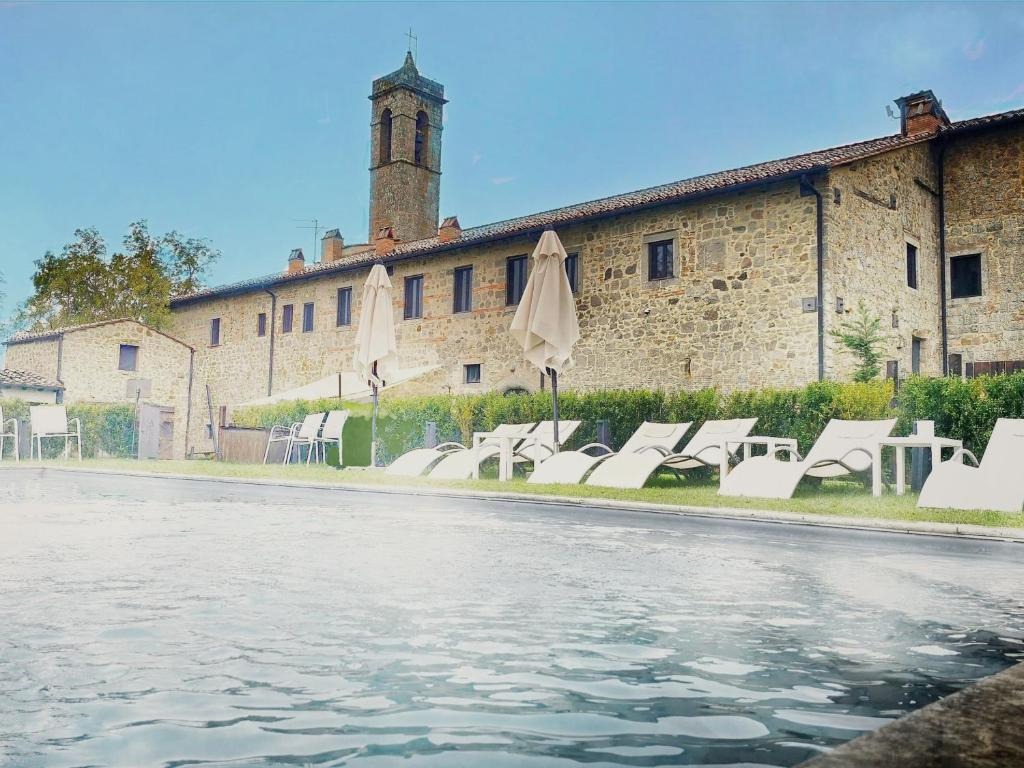
    Piscina riscaldata Convento San Bartolomeo

    Heated pool

    Warm water, a unique atmosphere, guaranteed relaxation.
    The heated pool is your space for well-being, in every season.